JEWS OF ASIA
Medium: Interactive Sculpture & AR Animation
Year: 2026
Presented at: CFEVA, Philadelphia; Icebox Project Space, Philadelphia
Press: coming soon
I grew up in Brooklyn, NY, in a small family that spoke Hakka. In school, my teachers often asked me to translate between Cantonese and Mandarin to English for newly arrived immigrant families. I ended up studying first-grade-level Cantonese on three different occasions and hid the tuition check to avoid repeating it a fourth. When Mandarin became the official language of China, I spent four years trying to learn it in high school before finally giving up. Meanwhile, my parents had a constant refrain: Don’t forget that you’re Hakka. But what did that even mean?






When I finally set out to explore that question, early 2000s Google told me I was one of the “Jews of Asia.”
This was a metaphor my pubescent brain filed away as a fact—until I shared this story publicly in 2024 and realized just how strange and unsettling it was. Who decided this comparison?
Recently, I’ve searched for that term again, but it was nowhere to be found. For a moment, I started to wonder if I had imagined the whole thing. But when I asked Google AI, Gemini, it provided the following overview:
“The Hakka people are sometimes referred to as the ‘Jews of Asia’ due to their strong sense of identity, diaspora across Asia, and historical emphasis on education, business, and community.”
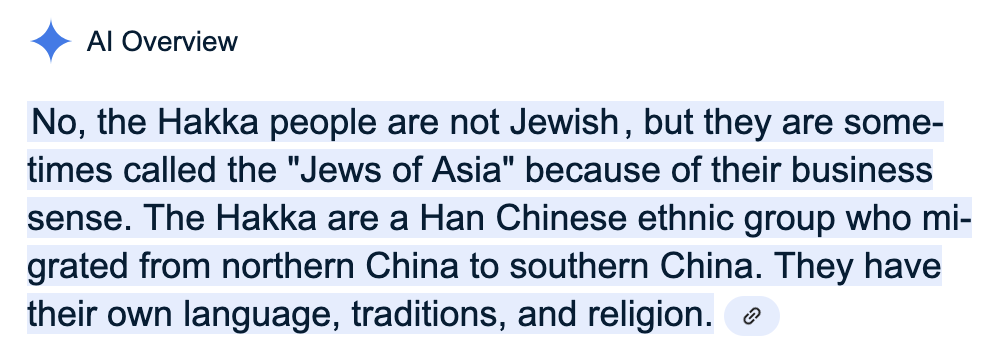
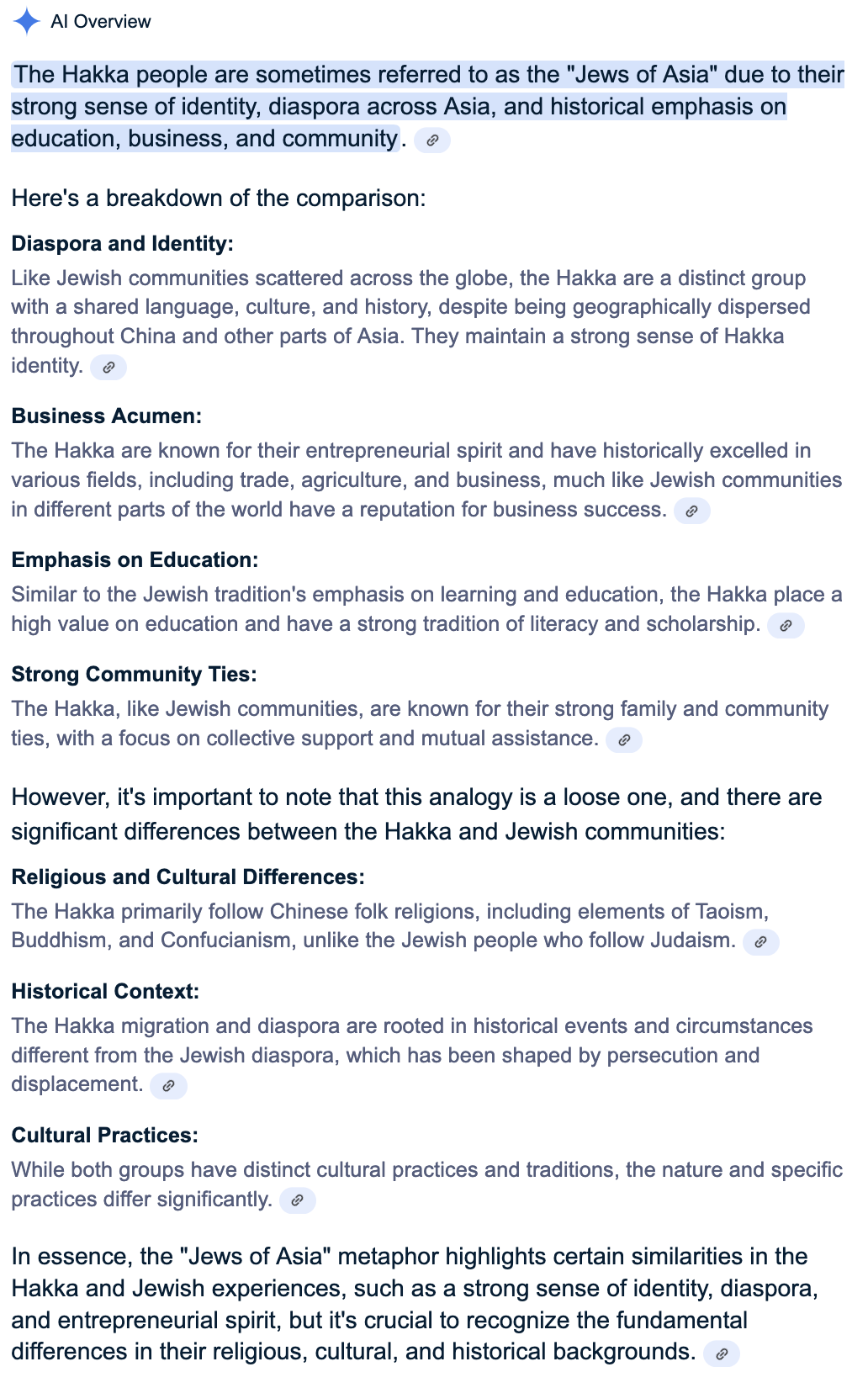
This confirmed that the phrase had once existed, at least in the data that AI had been trained on, even if it no longer appeared on the front page of Google.
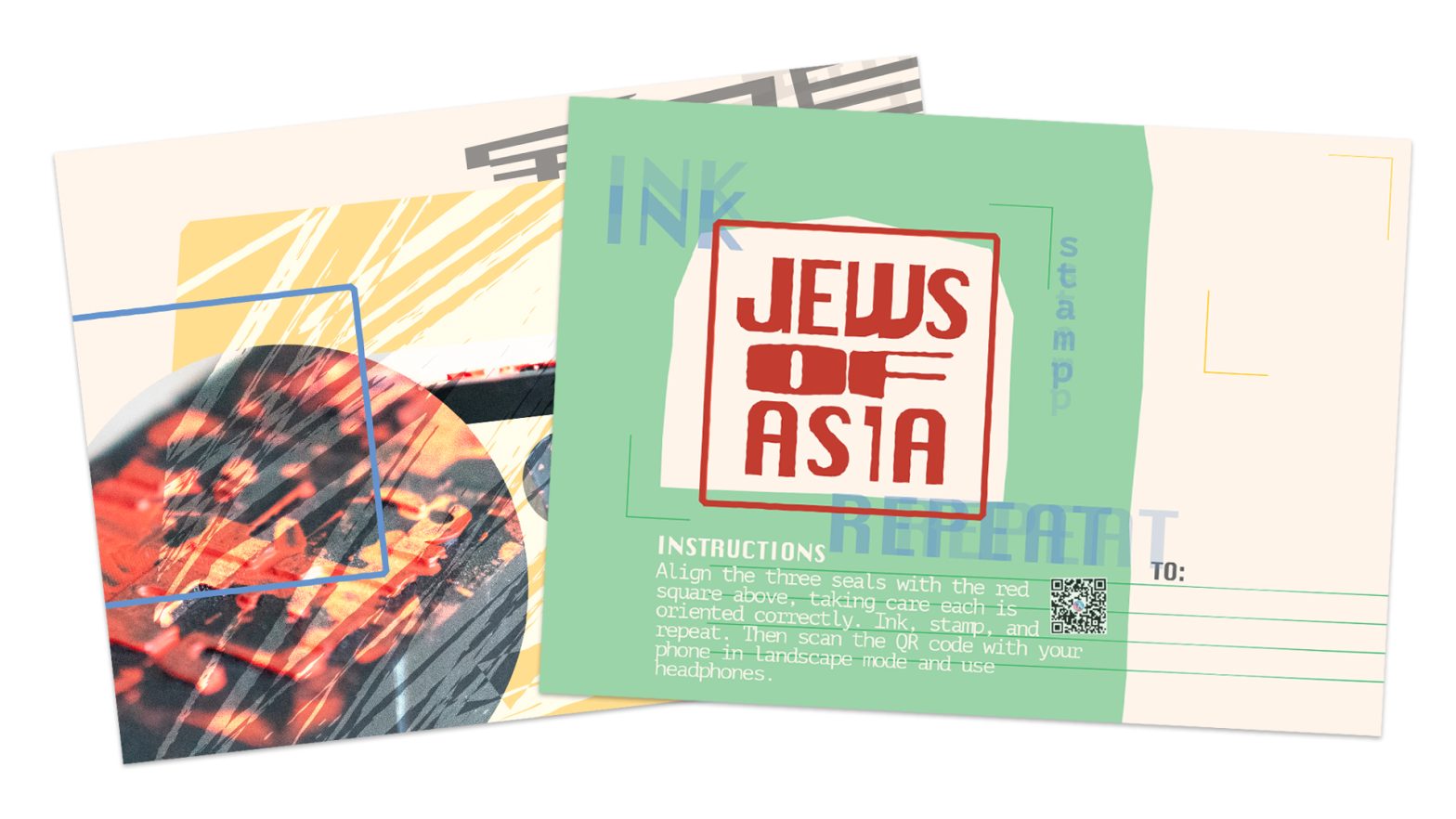
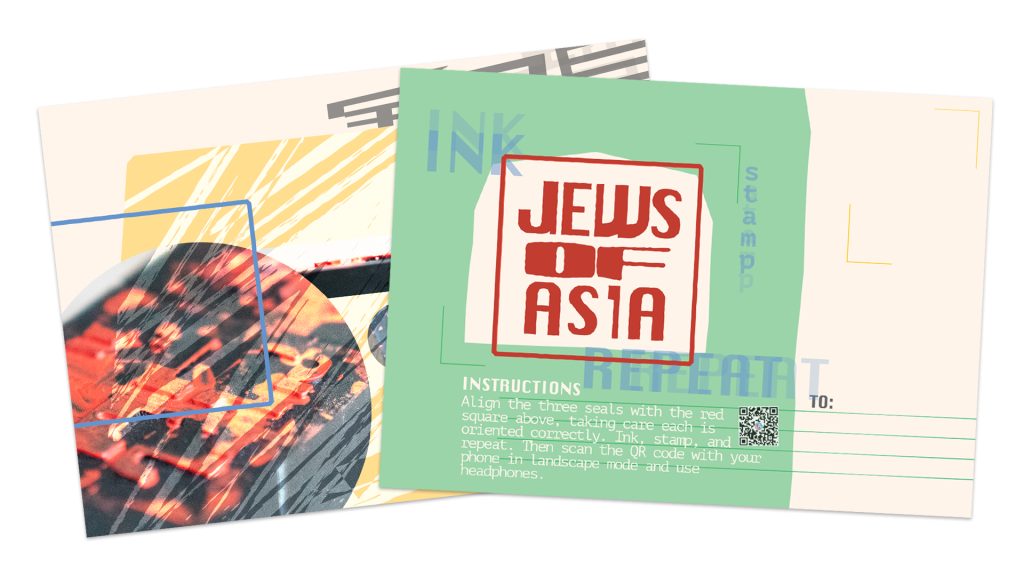
In this body of new works, I seek to highlight the influence of algorithms, content moderation and search prioritization in shaping cultural narratives. To explore this, I have created created three Sinosphere-inspired typographic seals that collectively stamp the phrase “Jews of Asia” onto postcards when properly aligned and layered. Seals remain widely used as legal forms of identification throughout the Sinosphere. Once viewers assemble the stamped image, they are guided by instructions on the postcard to access an AR video. The looping video uses stop-motion animation and sound design to explore how ancestral memory and algorithmic systems collide, and how we might reclaim authorship over our own narratives.
